
 French
 Polish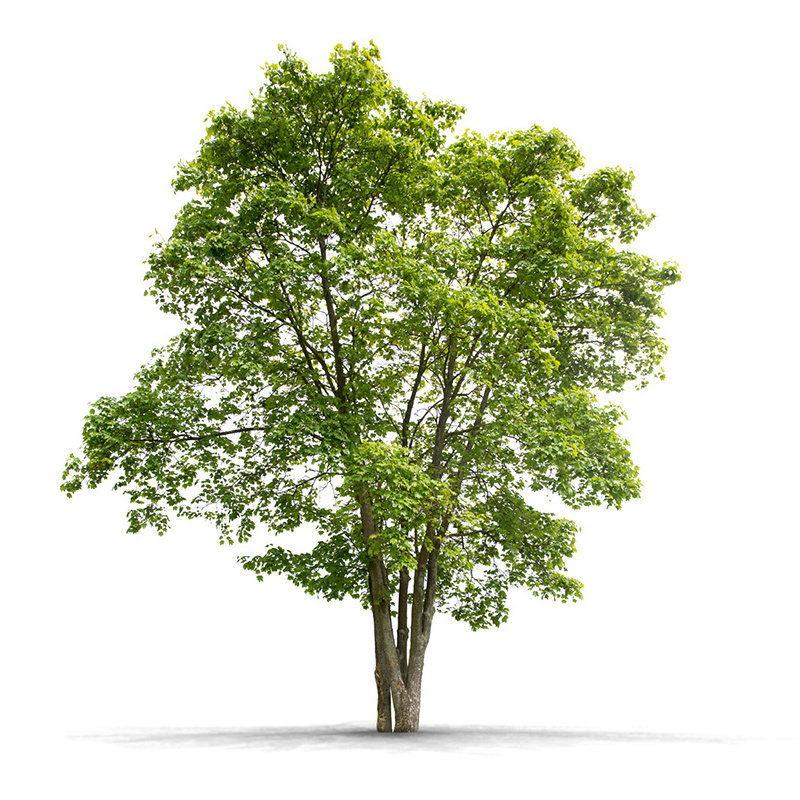


Wild cherry

price:
35
zł
Price including VAT | Delivery cost from 2,5 EUR
Large quantity
Photo by: Benjamin Gimmel  GFDL, CC BY-SA 3.0

Photo by: Benjamin Gimmel GFDL, CC BY-SA 3.0

Related items


It is a common fungus indigenous to coniferous forests of Eurasia and North America, and introduced to southern Australia and New Zealand. Commonly referred to as slippery jack or sticky bun in English-speaking countries, its names refer to the brown cap, which is characteristically viscid in wet conditions. The fungus fruits abundantly in autumn, and is harvested for food. The slime coating, however, may cause indigestion if not removed.
Source: http://en.wikipedia.org/wiki/Suillus_luteus
Photo by: Zdeněk Chalupský 

An oak is a tree or shrub in the genus Quercus of the beech family, Fagaceae, having approximately 600 extant species. The common name "oak" may also appear in the names of species in related genera, notably Lithocarpus. The genus is native to the Northern Hemisphere, and includes deciduous and evergreen species extending from cool temperate to tropical latitudes in Asia and the Americas.
Source: http://en.wikipedia.org/wiki/Oak
Photo by:
1. Antranias
2. Pete Anderson  freeimages.com
3. Hans Braxmeier

Scots pine (Pinus sylvestris L.) is a species of pine that is native to Europe and Asia, ranging from western Europe to eastern Siberia, south to the Caucasus Mountains and Anatolia, and north to well inside the Arctic Circle in Scandinavia. In the north of its range, it occurs from sea level to 1,000 m, while in the south of its range it is a high altitude mountain tree, growing at 1,200–2,600 m altitude. It is readily identified by its combination of fairly short, blue-green leaves and orange-red bark.
Source: http://en.wikipedia.org/wiki/Scots_pine
Photo by:
1. Jan-Mallander
2. Rosendahl


